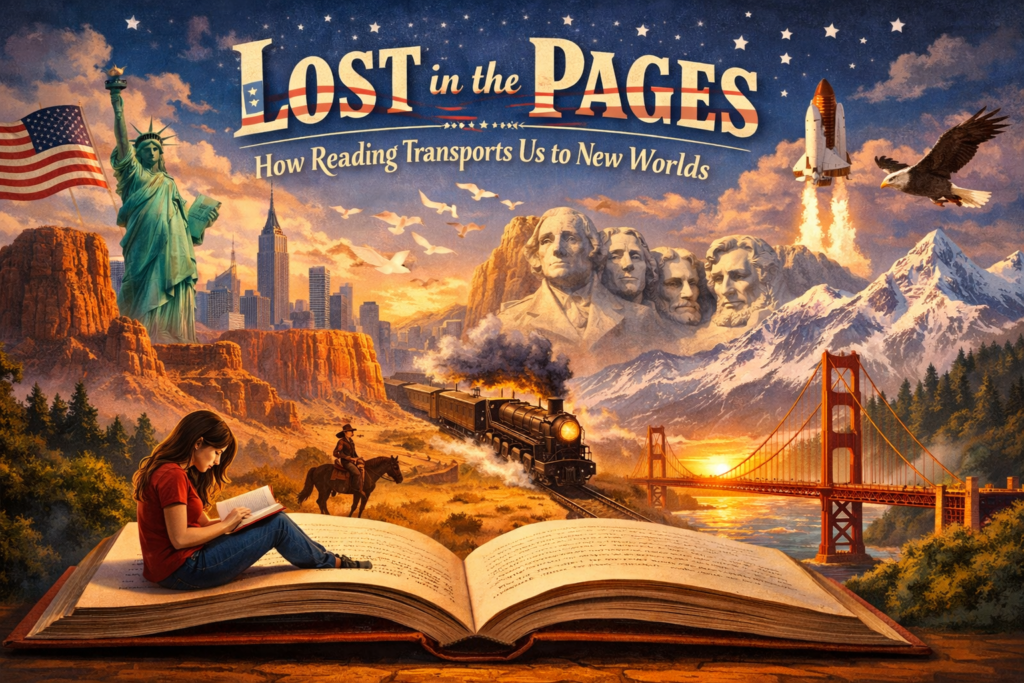

Lost in the Pages: How Reading Transports Us to New Worlds
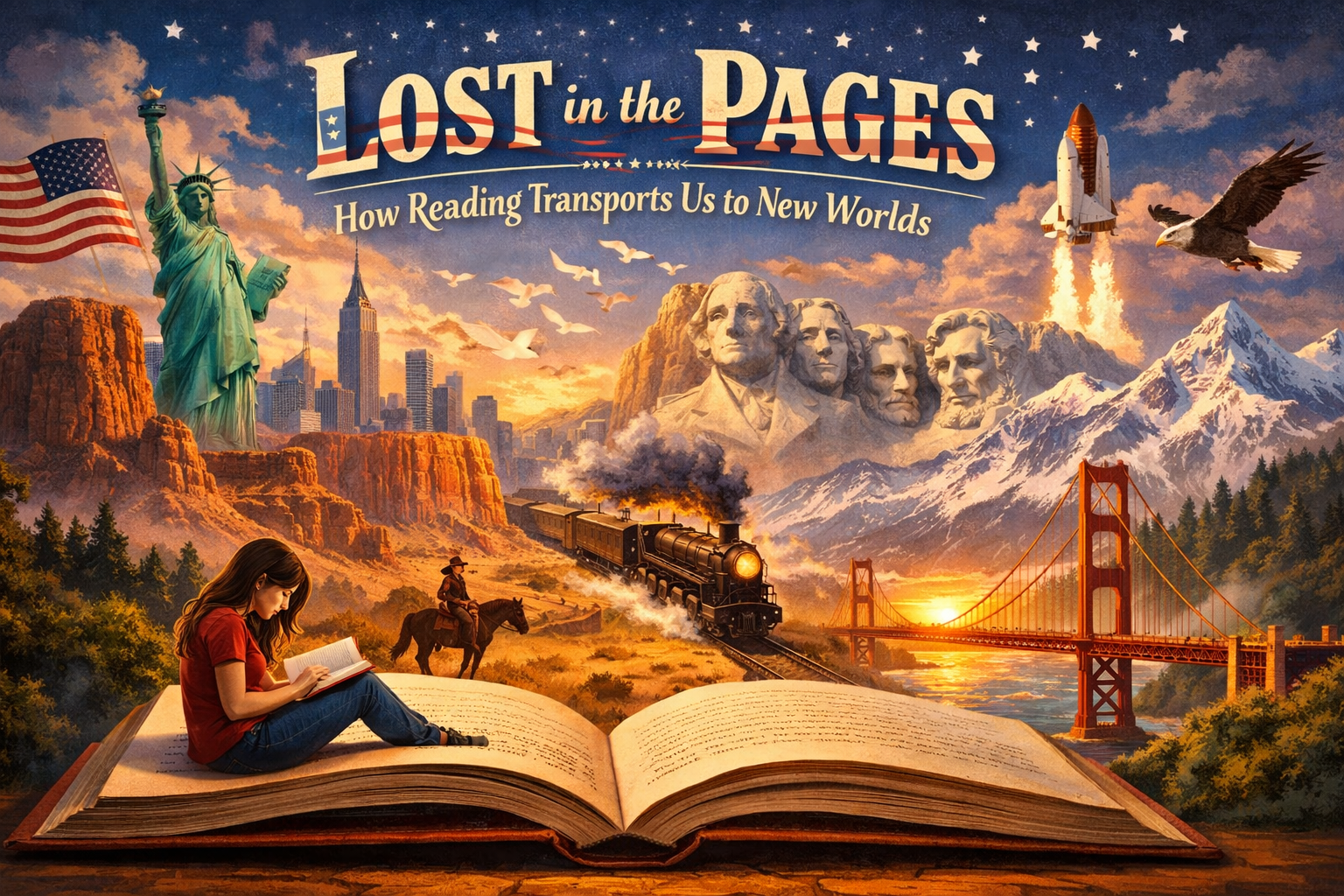
Reading is not just a pastime; it is an adventure that transports us to realms beyond our imagination. The phrase “Lost in the Pages” encapsulates the profound experience of immersing oneself in literature. Every book invites us to explore unknown territories, meet extraordinary characters, and traverse timelines, all from the comfort of our own space. In this blog, we will delve into how reading serves as a portal to new worlds, enriching our lives and expanding our horizons.
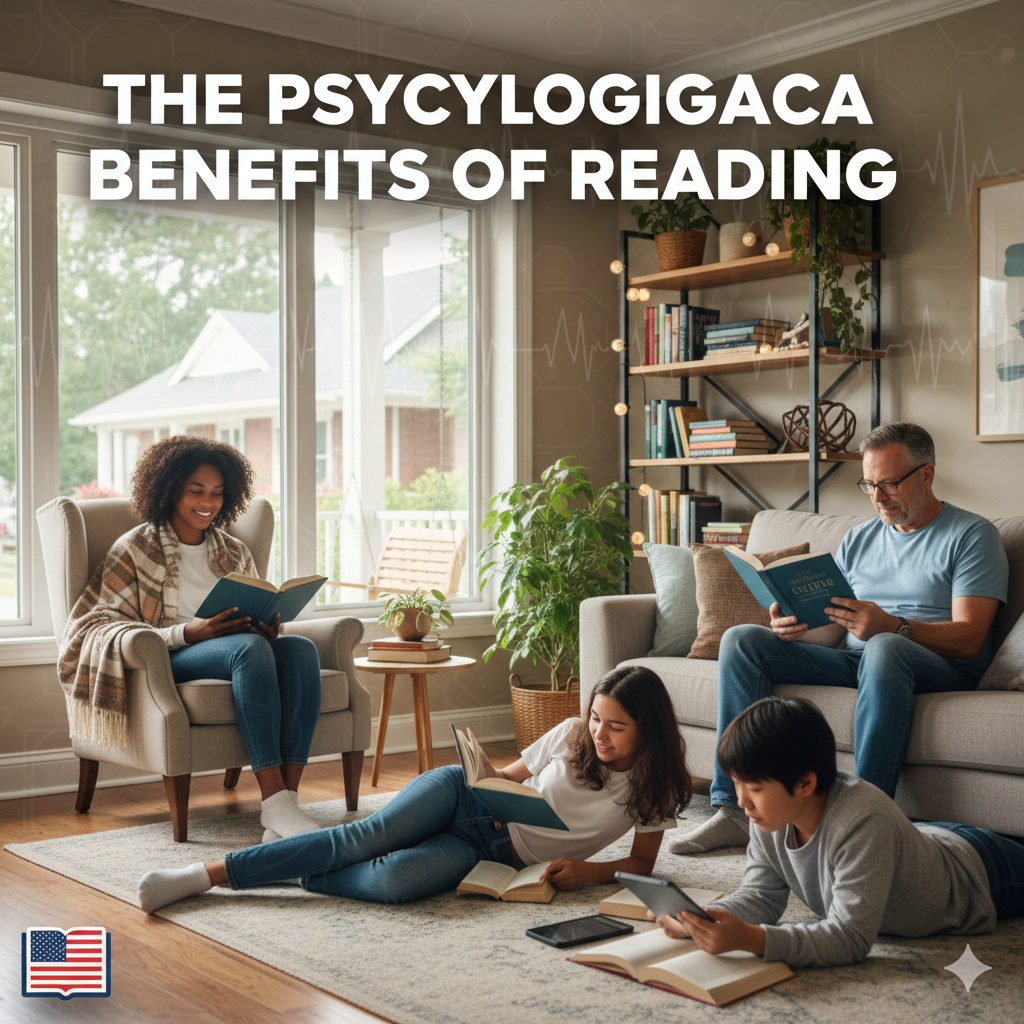
The Psychological Benefits of Reading
Escaping Reality Through Fiction
Books provide an unparalleled escape from reality. Whether you’re delving into fantastical realms filled with magic or trudging through historical epics, reading allows your mind to wander beyond the confines of your daily life. This escape serves various psychological benefits, such as reducing stress and providing a temporary respite from the pressures we face daily. Imagine sitting in a bustling café, a riveting novel in hand, your worries vanishing as you flip through pages filled with gripping tales.
When we engage with a well-written narrative, our brains often struggle to differentiate between fiction and reality. This phenomenon, known as ‘transportation,’ occurs when readers deeply engage with the narrative, making them feel as if they are part of the story. As we lose ourselves in the pages, a surge of empathy can often arise, allowing us to understand different perspectives and cultures.
Cognitive Benefits: Enhancing Imagination and Critical Thinking
Reading also plays a crucial role in enhancing our cognitive abilities. Immersing ourselves in diverse literature encourages us to imagine settings, characters, and scenarios that differ vastly from our own experiences. This stretch of the imagination not only makes the act of reading enjoyable but also enhances creativity.
Furthermore, bookworms often develop strong analytical skills as they critically evaluate plot twists and character motivations. This mental exercise promotes cognitive flexibility, enabling readers to navigate complex ideas and concepts in their everyday lives. The captivating ability of books to stimulate our brains ensures that we remain mentally agile and perceptive.
The Role of Genre in Literary Exploration
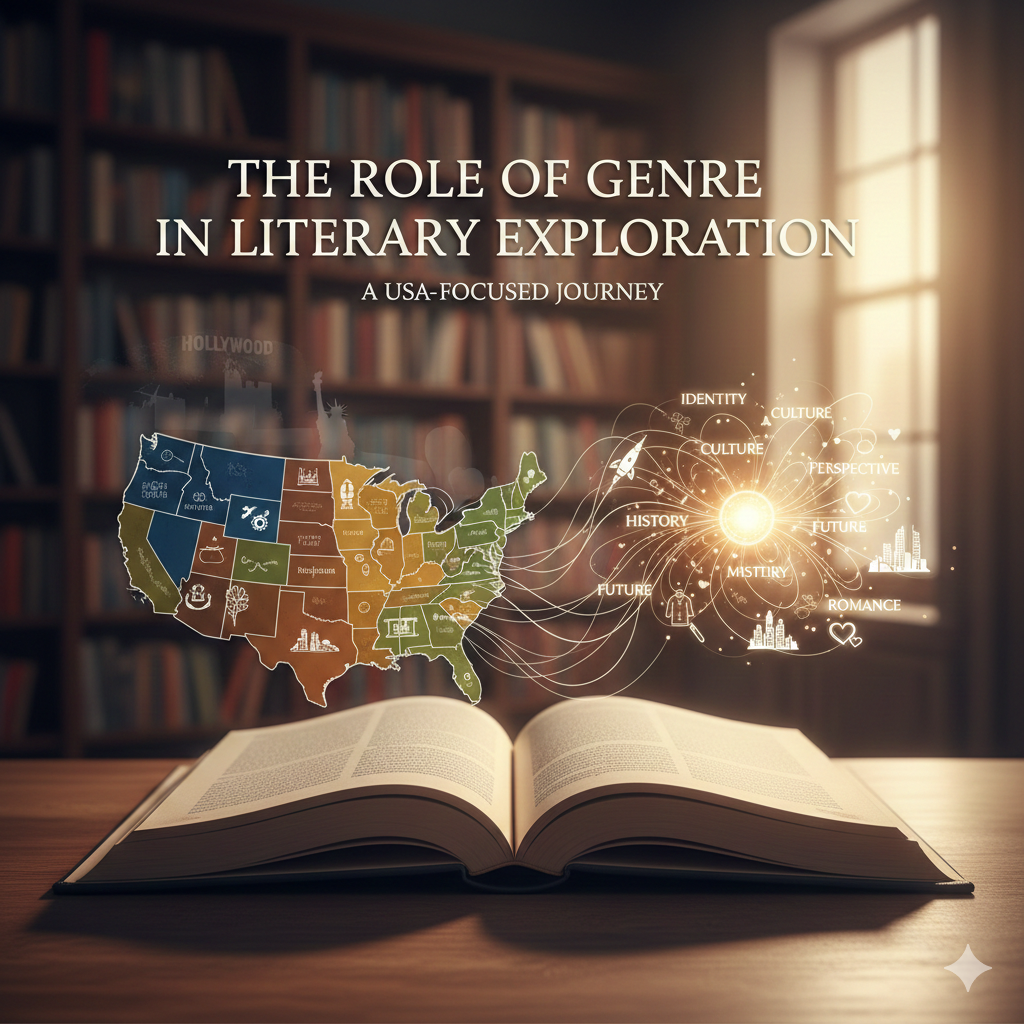
Fiction and Fantasy: Boundless Realms of Imagination
Fiction and fantasy genres serve as significant avenues for exploration. Authors like J.R.R. Tolkien and C.S. Lewis used imaginative worlds as a canvas to paint profound truths and dilemmas. This genre invites readers to explore fantastical lands, encountering mythical creatures and engaging in epic quests that challenge conventional wisdom. The boundless realms of imagination offered through fiction liberate readers from the monotony of reality.
Fantasy, in particular, allows for the exploration of complex human emotions in a setting that frees one’s imagination. As readers embark on these journeys, they navigate themes such as love, betrayal, courage, and sacrifice. This resonates deeply, often making us reflect on our own lives and choices.
Non-Fiction: The Realms of Knowledge and Insight
While fiction invites us to escape, non-fiction serves to enlighten. Engaging with texts about history, science, or sociology provides invaluable insights into the real world, expanding our understanding of diverse subjects. Authors like Malcolm Gladwell and Yuval Noah Harari guide us through compelling narratives that illuminate human behavior’s intricacies.
Integrating factual knowledge with storytelling creates an enriching experience. This genre encourages curiosity and lifelong learning, prompting readers to contemplate real-world issues and ideas. Non-fiction broadens our worldview, making us more informed and adaptable in an ever-changing society.
The Cultural Impact of Literature
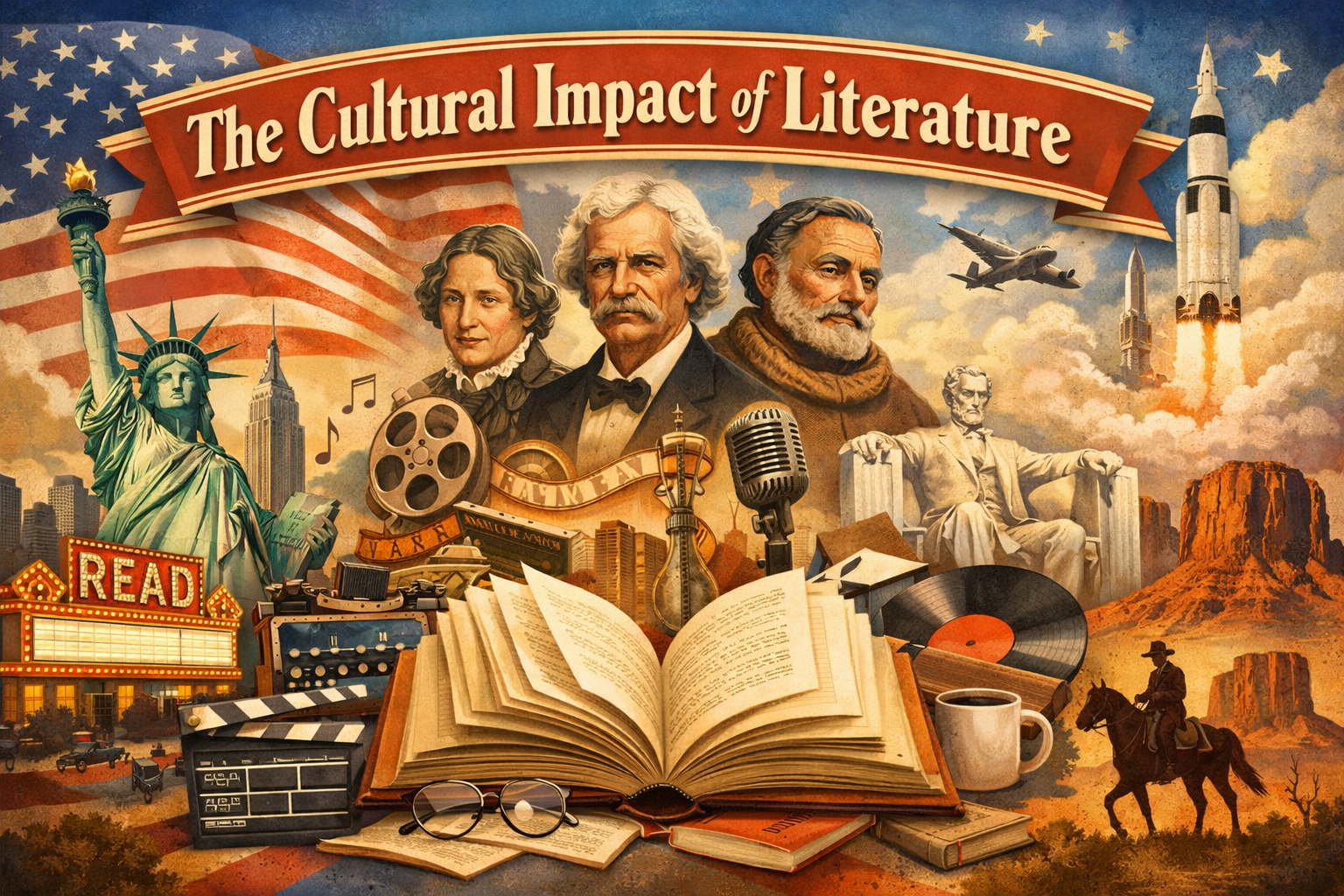
Literature as a Reflection of Society
Literature often serves as a mirror reflecting the societal values, norms, and issues of its time. Works like George Orwell’s “1984” or Harper Lee’s “To Kill a Mockingbird” examine themes of morality, justice, and government inequality. These literary classics not only transport us to different times and cultures but also provoke thought about our own societal circumstances.
By reading diverse literature, we gain insights into various cultures and viewpoints, ultimately fostering empathy and understanding. This cultural exchange promotes social awareness and prompts readers to engage with issues they might otherwise remain oblivious to.
Fostering Connections Among Readers
Literature also establishes connections among its readers. Book clubs, online forums, and literary events create vibrant communities where readers share their opinions and interpretations. These interactions foster deeper discussions and promote a collective understanding of different narratives and lessons learned.
Moreover, engaging with stories that resonate emotionally can create strong social bonds among readers. Sharing thoughts on compelling narratives can lead to profound friendships and connections, reaffirming our shared human experiences and sentiments.
Reading as a Tool for Personal Growth
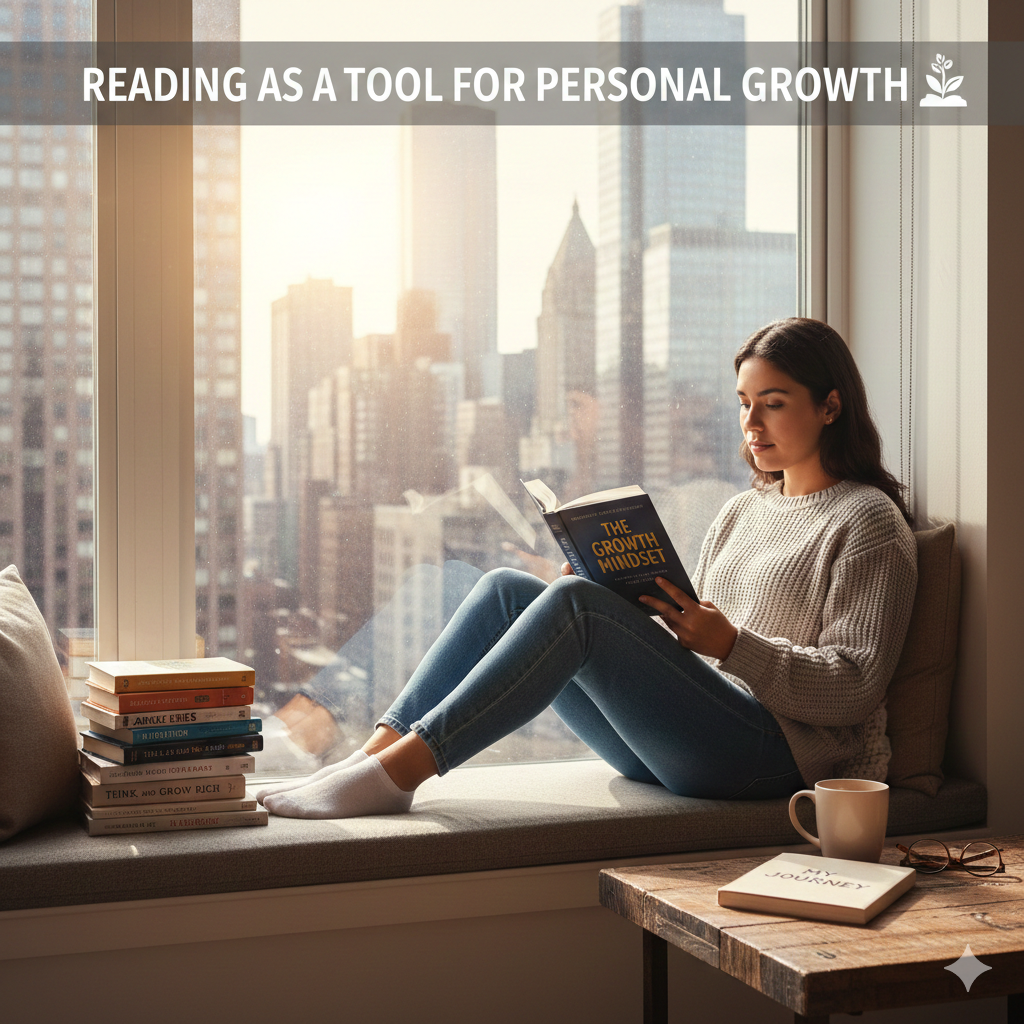
Developing Empathy Through Diverse Narratives
One of the greatest gifts of reading is its ability to cultivate empathy. When we step into someone else’s shoes—be it a character battling adversity or an individual facing societal challenges—we start to understand and appreciate their struggles. This emotional connection encourages compassion and promotes a sense of responsibility toward others.
Diverse narratives challenge our preconceived notions and biases, exposing us to new ways of thinking. The interaction with characters from various backgrounds shifts our perspectives, ultimately leading to greater emotional intelligence and societal conscientiousness.
Encouraging Resilience and Adaptability
Stories often depict characters overcoming obstacles, thereby serving as powerful illustrations of resilience. By witnessing fictional characters face adversity, readers learn important lessons about perseverance and tenacity. This vicarious experience can inspire individuals to confront their own challenges head-on, utilizing these literary lessons as guiding principles.
Moreover, literature often presents a myriad of solutions to problems faced by characters, encouraging readers to adapt and explore various approaches to real-life dilemmas. The vast landscapes of narrative variety offer unique learning experiences for readers of all ages.
Conclusion: The Enduring Power of Literature
A Lifelong Journey of Discovery
In an era dominated by digital distractions, the written word retains an enduring charm that continues to captivate us. The act of reading is not merely a pastime but a profound journey through the pages of imagination, knowledge, and emotional connection.
Each book opens a new world, urging us to reflect, engage, and grow. From the psychological benefits of storytelling to the cultural conversations fostered within pages, the transformative power of literature remains undeniable. Whether you seek escape, insight, empathy, or connection, remember that the next book you pick up could transport you to a realm that profoundly alters your perspective—life, after all, is but a page turn away.
Unlocking Your Next Adventure
So, dust off those shelves, visit your local library, or explore e-book platforms! Embrace the diverse genres waiting to be discovered, and allow yourself to become “Lost in the Pages.” Literature, with its infinite landscapes, invites you to take part in a lifelong journey of discovery. The worlds are vast; happy reading!