
From Novels to Nod Off: The Therapeutic Powers of Reading

In today’s fast-paced and often overwhelming world, finding effective ways to unwind is more important than ever. Among various relaxation techniques, reading novels has emerged as a powerful therapeutic tool. This blog delves into the numerous benefits of reading and how it can serve as a pathway to better mental health and well-being.
Reading is not just an escape; it’s a transformative experience that fosters creativity, empathy, and self-awareness. Research suggests that immersing oneself in a good book has profound emotional and psychological benefits, making it one of the simplest yet most impactful activities anyone can engage in. Let’s explore this further.
Understanding the Therapeutic Effects of Reading

Reading provides an unparalleled avenue for relaxation, allowing individuals to disconnect from the chaos of everyday life. When our minds are engaged in a story, we naturally slip into a more tranquil state. This effect can significantly lower our stress levels, promoting a sense of peace and calm. According to a study by Sussex University, reading can reduce stress by up to 68%, far surpassing other popular activities such as listening to music or going for a walk.
Moreover, while reading, our brain functions similarly to a meditation practice. The focused attention on a storyline allows for greater mindfulness, which can rewire our brain to respond better to stress. By developing a routine that includes reading, we can cultivate emotional resilience, ultimately leading to a healthier lifestyle.
Building Empathy Through Literature
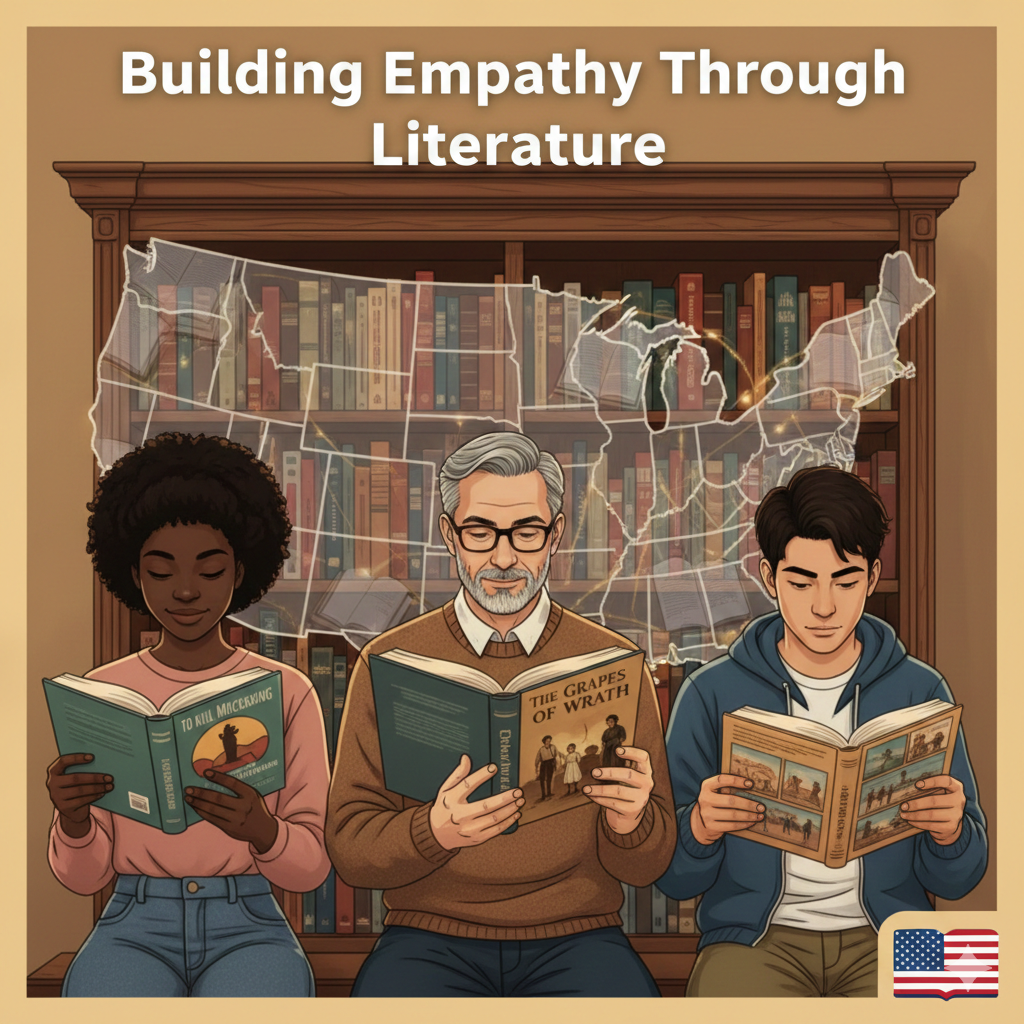
One of the most profound benefits of reading novels is the ability to foster empathy. Literature allows readers to step into diverse experiences and perspectives, from characters undergoing life challenges to those living in entirely different cultures. By engaging with these stories, readers develop a deeper understanding of human emotions and experiences, which can translate into greater empathy in real life.
This emotional connection to characters helps break down barriers and cultivate compassion for others. Research from psychologists indicates that those who read extensively, especially fiction, show a higher capacity for empathy. This can lead to improved social relationships and a better understanding of interpersonal dynamics, enriching one’s personal and professional life.
In a world increasingly divided by differing opinions and values, reading can serve as a bridge. The narratives we absorb can challenge our preconceived notions and help us appreciate the vast tapestry of human life, thereby enhancing our emotional intelligence.
Reading as a Coping Mechanism

For many individuals, literature serves as a safe haven in turbulent times. Reading can be a powerful coping mechanism for dealing with mental health issues, be it anxiety, depression, or grief. Engaging with stories that resonate can help individuals feel less alone and more understood. Fiction has the unique ability to reflect the complexities of life, providing comfort and insight during difficult moments.
For instance, readers dealing with loss might find solace in novels that explore grief. Similarly, those feeling anxious may discover a sense of calm in books that provide a sense of escapism. Many authors draw upon their own experiences, often creating narratives that resonate deeply with readers, offering them emotional validation.
Studies have shown that therapeutic reading can lead to improvements in one’s mood and overall emotional state. The identification with characters and situations can help provide clarity and stimulate conversations that facilitate emotional healing.
The Impact of Genre on Therapeutic Reading
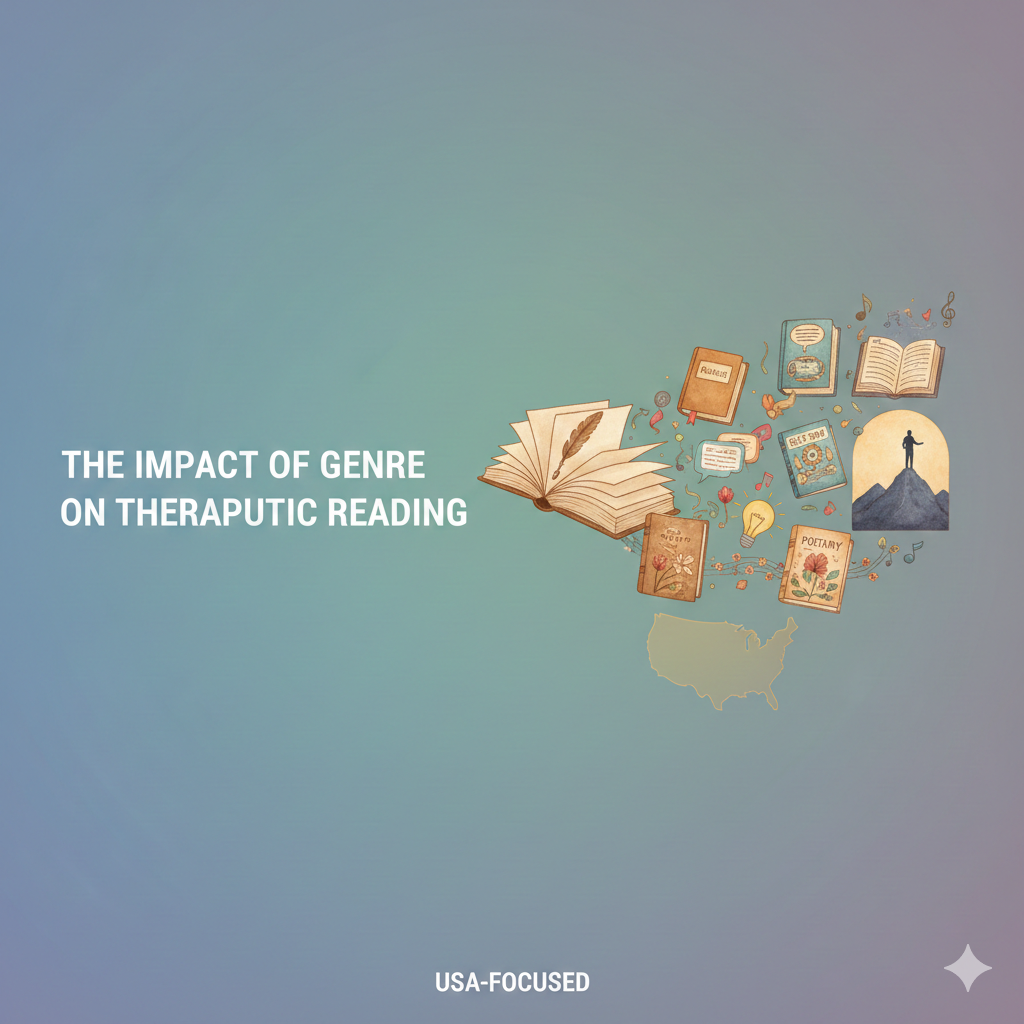
Not all genres are created equal when it comes to the therapeutic effects of reading. While any form of reading can be beneficial, certain genres have been found to resonate more strongly with readers seeking emotional comfort. Fiction, especially genres like literary fiction and magical realism, tend to allow for deeper emotional engagement and personal reflection.
On the other hand, self-help and memoir genres provide practical guidance and inspiration, often encouraging readers to navigate their issues actively. Beyond self-help, graphic novels and poetry can also serve as effective therapeutic tools, offering diverse formats that engage different readers. The emotional accessibility of these genres can create a unique reading experience tailored to individual needs, increasing the likelihood of achieving therapeutic benefits.
Choosing a genre that resonates with personal experiences and emotional states can further enhance the therapeutic impact of reading. Ultimately, self-discovery often occurs through the pages of a book, aligning literary genres with individual psychological needs.
The Benefits of Book Clubs and Reading Communities

Participating in book clubs and reading communities can amplify the therapeutic benefits of reading. Engaging in discussions about a shared text allows individuals to gain new insights, exchange personal experiences, and foster social connections. These interactions can enrich one’s understanding of the material and enhance the therapeutic effects of reading.
Moreover, a book club provides accountability, encouraging individuals to carve out dedicated time for reading. This commitment can help improve emotional well-being, particularly for those struggling with motivation or mental health challenges. Social support, facilitated through discussions and shared experiences, strengthens emotional bonds and promotes a sense of belonging.
Through collective reading experiences, members of book clubs often find that they are not alone in their feelings or struggles. This community aspect can play a significant role in combating feelings of isolation, enhancing mental wellness, and establishing lasting friendships grounded in shared literary interests.
Conclusion: Embracing the Therapeutic Power of Reading
The therapeutic powers of reading are profound and multi-faceted, providing more than just an escape into fictional worlds. From fostering empathy to offering solace during turbulent times, the act of reading novels is a self-care practice that everyone can benefit from.
By embracing reading as a regular habit, individuals can unlock emotional and mental health benefits that enrich their lives. Whether you prefer the imagination offered by fiction, the practical advice of self-help, or the emotional resonance of poetry and memoirs, there is a world of literature waiting to support your journey toward mental wellness.
Ultimately, the relationship between reading and well-being is one worth nurturing. So, pick up a book, dive into the pages, and discover the incredible therapeutic powers that lie within. Happy reading!