Stories that Stick: Why We Fall in Love with Characters and Narratives

Introduction
When it comes to storytelling, the characters and narratives are what truly captivate our hearts and minds. Stories that stick resonate deeply, allowing us to form emotional connections with the characters who embody hopes, struggles, and dreams. In this exploration of “Stories that Stick: Why We Fall in Love with Characters and Narratives,” we will uncover the psychological and emotional mechanisms that make us cherish these tales.
The Psychological Connection to Characters
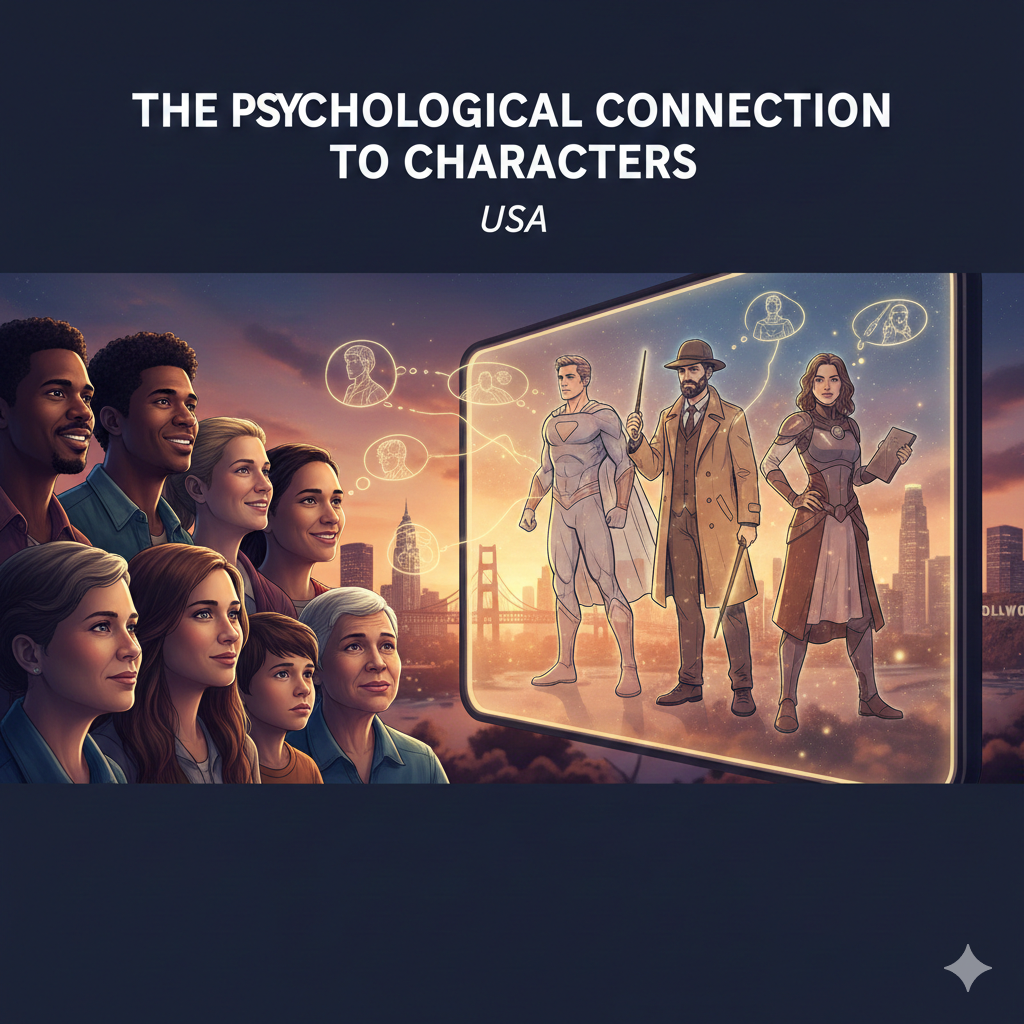
The relationship we build with characters is profound. From the moment we are introduced to them, whether through their struggles, triumphs, or moral dilemmas, we often find pieces of ourselves reflected in their journeys.
Characters serve as mirrors, showcasing our own vulnerabilities and aspirations. When we encounter a protagonist facing adversity, we not only sympathize but often empathize, as we recognize aspects of our own lives in their experiences. This emotional resonance forms the foundation of our attachment to these stories.
Furthermore, the brain is wired for storytelling. Cognitive scientists suggest that listening to narratives activates areas of the brain that are responsible for understanding events and emotions. This is why we might find ourselves rooting for a character, feeling their pain, or rejoicing in their victories, as our emotions become intertwined with theirs.
The Role of Relatability
One of the key elements that makes stories stick involves relatability. When a character goes through a challenge that reflects our own experiences, we find it easier to connect with them. This relatability doesn’t just add depth; it transforms the narrative from mere entertainment into a personal experience.
The Impact of Conflict and Growth
Conflict is essential in storytelling; it drives the narrative forward and adds layers to character development. We are often drawn to the struggle because it mirrors the complexities of real life. As characters grow and evolve through their trials, we are not just spectators; we become part of their journey. Their growth resonates with our own aspirations for self-improvement, making their stories all the more memorable.
The Narrative Arc: Structure Matters

A well-crafted narrative arc effectively guides the ebb and flow of a story, creating anticipation and emotional highs and lows. It is this structure that can dictate the effectiveness of the characters’ journeys.
The Exposition: Setting the Stage
Every compelling story starts with a solid exposition, introducing us to the world where the characters reside. This not only establishes the context but also provides insights into the characters’ lives. The world-building that occurs here creates an immersive experience; we can almost feel the setting around us.
The Rising Action: Building Tension
As the story progresses into the rising action, tension escalates, often revolving around the primary conflict. It is during this phase that we become fully invested in the characters’ fates. Our emotional responses are heightened as we witness their struggles against formidable obstacles, rooting for them as they face adversity.
The Climax and Resolution: Emotional Payoff
The climax of a narrative provides that crucial turning point, the moment where everything hangs in the balance. How characters respond to this moment reveals their true nature, making the climax incredibly significant. The resolution ties everything together, providing closure to the journey. We leave feeling that our investment in these characters and their narratives was worthwhile.
The Power of Emotion in Storytelling
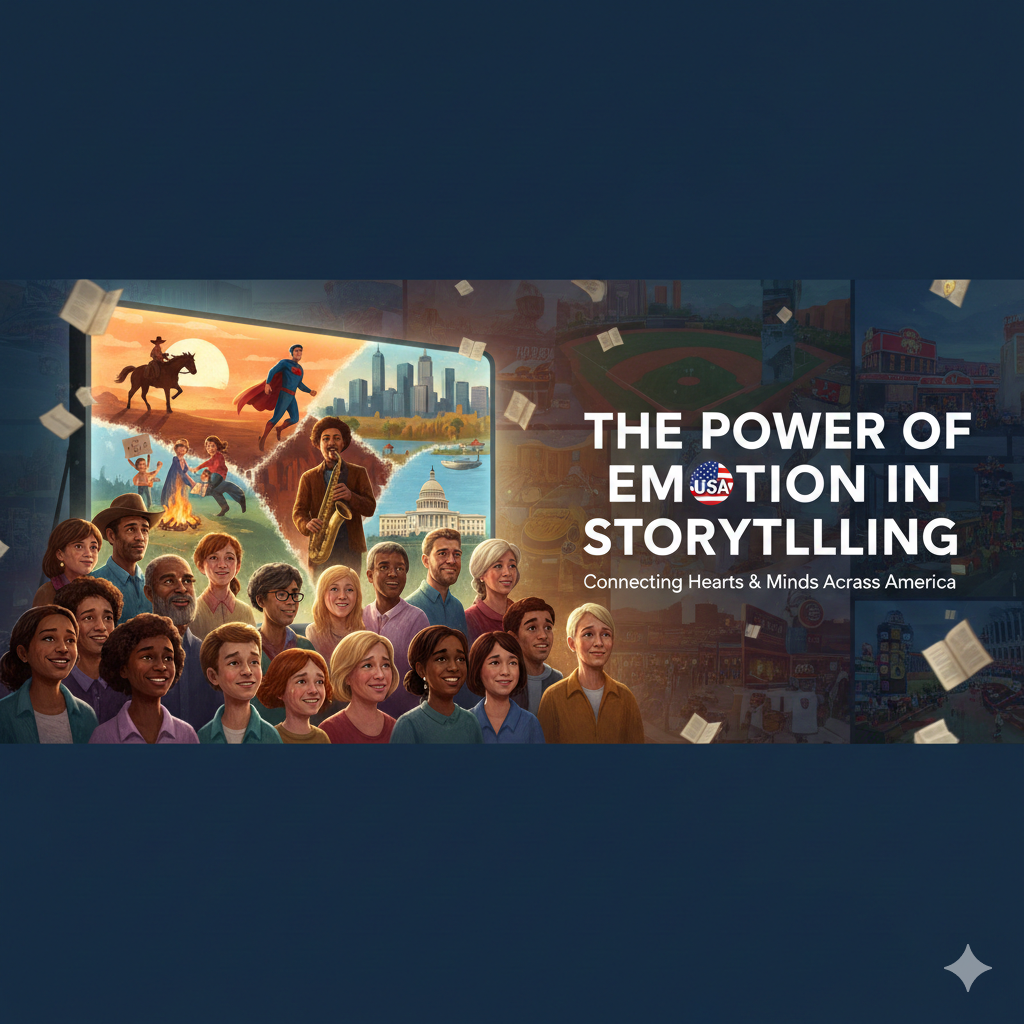
Emotion is the lifeblood of storytelling. We often find that it’s not just the plot that resonates, but the emotional weight carried by the characters. Effective stories tap into universal human emotions such as love, fear, loss, and triumph.
The Emotional Journey
When we experience a story, we often mirror the emotional journey of the characters. This emotional journey can lead us through heartwarming moments that bring us joy, as well as heart-wrenching events that leave us in tears. The emotional highs and lows are often what make stories timeless.
The Role of Archetypes
Archetypes play a significant role in emotional connection. Characters like the hero, the mentor, or the villain have become ingrained in storytelling. These archetypal roles allow us to quickly understand who these characters are and what they represent, enhancing our emotional engagement.
Creating Tension and Release
The delicate balance between tension and emotional release is what keeps us on the edge of our seats. Well-placed story beats create suspense, while moments of relief allow us to breathe—both essential ingredients in creating memorable narratives.
The Influence of Culture and Mythology
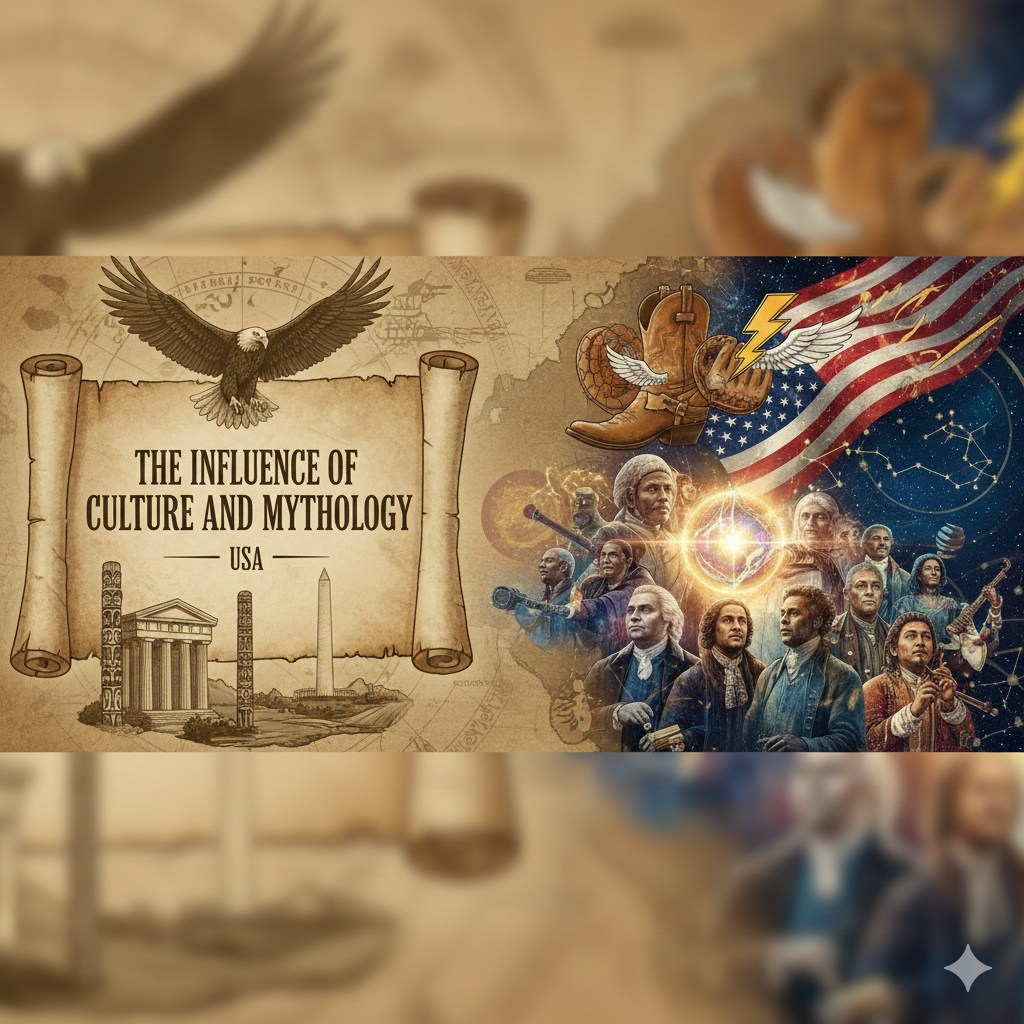
Cultural narratives and mythological stories have a profound impact on why we fall in love with particular narratives. These stories often reflect collective values, beliefs, and human experiences that transcend time and place, providing us with universal themes.
Shared Cultural Narratives
Shared cultural stories enable us to relate not only to the characters on the page but also to each other. When we explore characters shaped by particular cultural contexts, it broadens our understanding of the human experience.
Modern Myths and Legends
In contemporary society, modern myths and legends often take forms that resonate with current challenges and ideals. Stories that incorporate familiar elements from mythology can help us navigate contemporary life, often culminating in this mythic structure: overcoming a monster, a hero’s journey, or a restoration of balance.
The Relevance of Folklore
Folklore serves an educational function, imparting moral lessons through engaging narratives. Adapting folklore into modern narratives helps us connect our historical roots with today’s values. As we find threads of our culture woven into these stories, our attachment only deepens.
The Craft of Writing Characters that Resonate
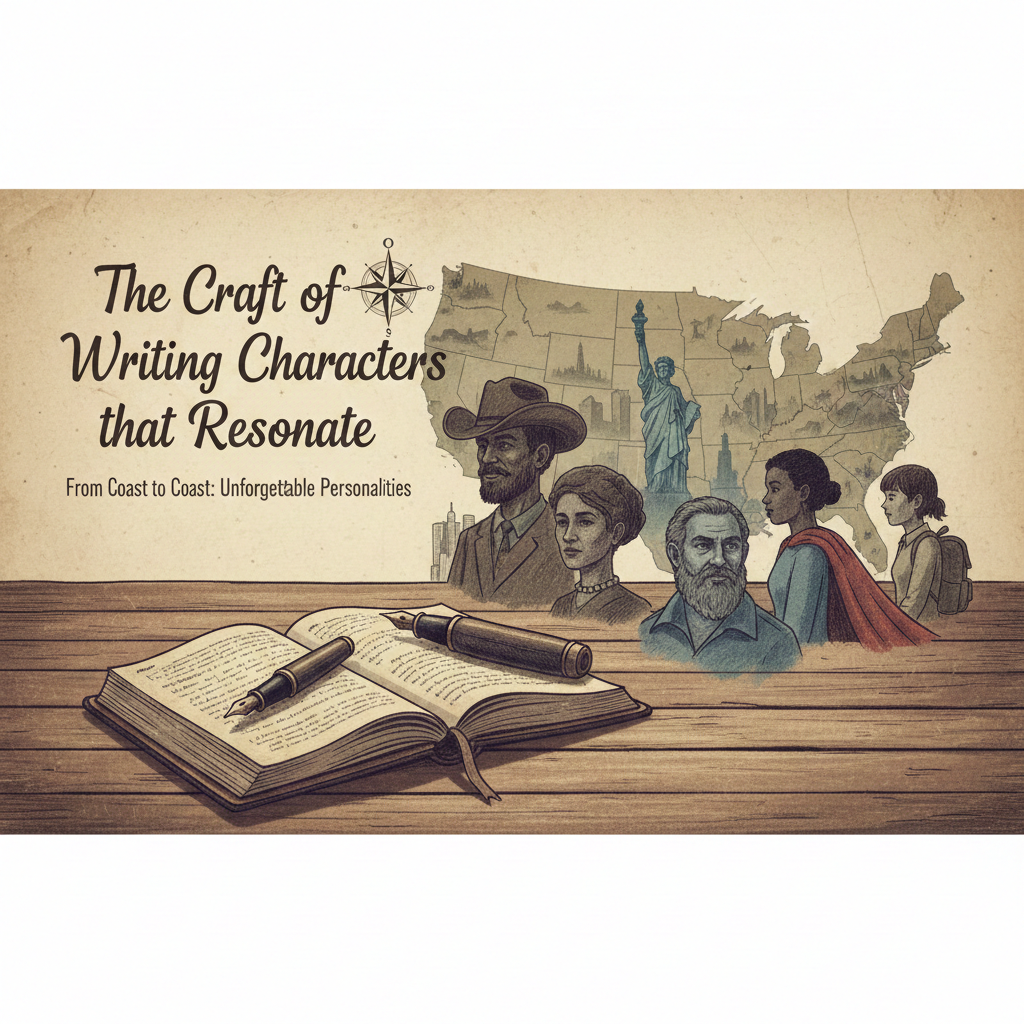
To create characters that last, writers must pay careful attention to multiple facets of character development. From backstory to motivation, character depth can make or break a story.
Creating Backstory
A well-developed backstory gives characters context, making them relatable and grounded. When we understand what has shaped characters, we sympathize with their actions and decisions. It’s this backstory that serves not just as history but also informs how characters react in crises.
Motivation and Goals
Understanding what drives a character is crucial for readers to become invested in their journey. When characters have clear motivations and goals, we are drawn into their aspirations and feel the weight of their choices. The more we understand their motivations, the more engaged we become.
Flaws and Vulnerabilities
Characters who are perfect are often less relatable. Human flaws and vulnerabilities make characters authentic, allowing us to connect on a deeper emotional level. Characters who falter or face fears resonate with us, reminding us that errors are a part of the human condition.
Conclusion: The Enduring Nature of Stories
In conclusion, “Stories that Stick: Why We Fall in Love with Characters and Narratives” is a rich tapestry woven from psychological insight, structural elements, emotional resonance, cultural background, and effective character development. These components combine to deliver tales that linger in our hearts long after the last page is turned or the screen fades to black.
At their core, stories shape our understanding of ourselves and the world around us. Whether through an epic hero’s journey, a love story fraught with challenges, or a tale of redemption, storytelling remains an art form that binds us together—a testament to our shared humanity.
By continuing to delve into the intricacies of character and narrative, we may just discover even more reasons why these stories stick, leaving a profound mark on our lives.